Peacebuilders today operate in increasingly complex situations, where poverty, weak governance structures, state failure and conflict are so intimately linked that building peace inherently overlaps with traditional development activities, youth programs, health initiatives, human rights support and governance processes. These more complex peacebuilding programs have given rise to significantly more complex initiatives - and this necessitates evaluation methodologies that can capture long-term and complex change processes. Over the past decade, the peacebuilding field has overcome the hurdles of thinking peacebuilding was too complex to measure and made significant strides in meeting the technical challenges of evaluation through the adoption of basic evaluation techniques and innovations. However, much of the field’s past progress was made in individual isolated organizations. In May 2009, Dr. Andrew Blum, then Senior Program Officer at the United States Institute for Peace (USIP), gathered together representatives from funders, iNGOs, and the US government to discuss practical challenges related to peacebuilding evaluation. At the meeting three concepts emerged clearly: - The needs of funders and implementers in evaluating peacebuilding’s impact are different.
- Misconceptions around the benefits, methodologies, and opportunities of evaluation are wide-spread.
- The challenges that face the field can only be resolved through joint efforts.
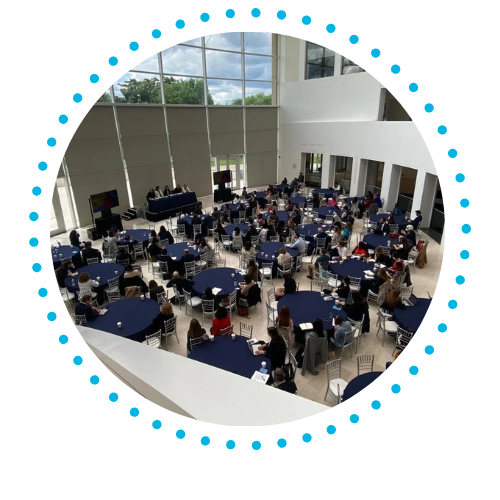
To address the field-wide need to improve evaluation and learning practices in a collective manner,USIP and AfP created the Peacebuilding Evaluation Project: A Forum for Donors and Implementers (PEP). As the first forum of its kind, PEP provided a neutral space for 24 donors and implementers to honestly discuss issues around evaluation through an online discussion platform and a series of four meetings over the span of one year. The four meetings, that took place from May 2010 to March 2011, allowed stakeholders to discuss the following four major focuses: - The main hurdles that are apparent in the donor-implementer relationship;
- Finding common value in evaluation and common evidence of impact despite unique needs and applications;
- Facilitating positive organizational change that fosters transparency and improved learning; and
- How the field could improve standards of evaluation practice.
To capture the content and disseminate the learnings from the PEP meetings, USIP produced a Special Report, "Improving Peacebuilding Evaluation” and AfP wrote a Lessons Report "Starting on the Same Page,” which aims to share the information gathered and assess the broader implications for evaluation in the field. In addition, USIP and AfP held the fist Peacebuilding Evaluation Evidence Summit in December 2011. Made possible by a grant from the Carnegie Corporation of New York, the Summit was built on the premise of best efforts to date and success in peacebuilding evaluation. Panelists included representatives from USAID, the U.S. State Department, the World Bank, the United Nations, the International Development Research Centre, and other major NGOs, foundations, and evaluation consultancies. In addition to American, Canadian, and European participants, participants from Kenya, Israel, Ireland, Iraq, Thailand, and the Philippines attended. The Summit Report, "Proof of Concept: Nine Examples of Peacebuilding Evaluation,” is available online. Current Activities
The first year of PEP resulted in a wealth of recommendations on how to improve evaluation as a community and collective momentum to do this. Thanks in part to a grant from the Carnegie Corporation of New York, USIP and AfP launched a second phase of PEP to implement recommendations made by PEP participants. These include: - The Women’s Empowerment Demonstration Project (WEDP)– This meta-evaluation of six women’s empowerment programs in Africa, the Middle East and Asia implemented by CARE-DRC, Partners for Democratic Change and Search for Common Ground is aligning the indicators to extrapolate deeper lessons and learning. Through shared experiences and collaboration, these organizations are demonstrating the possibilities of joint evaluation and learning.
- Guiding Principles for Peacebuilding Donors Document - Conversation and the expressed concerns of donors, implementers and evaluation experts on the current system of evaluation during the PEP prompted USIP and AfP to initiate a process to develop a set of evaluation principles that will aim to support and foster better evaluation practices in the field. These standards are being produced in collaboration with peacebuilding stakeholders through six global feedback session groups in Geneva, London, New York, Nairobi, San Francisco, and Washington, DC.
- Peer Review or Working Group Meeting Series- With strong interest in continuing regular meetings focused on evaluation from the current PEP participants, AfP is organizing two to three meetings around evaluation in the next twelve months.
If you are interested in getting involved with PEP, please contact Melanie Kawano-Chiu, the Program Director, at melaniek@allianceforpeacebuilding.org.
Please visit the AfP website again in the future for more updates on PEP.
|